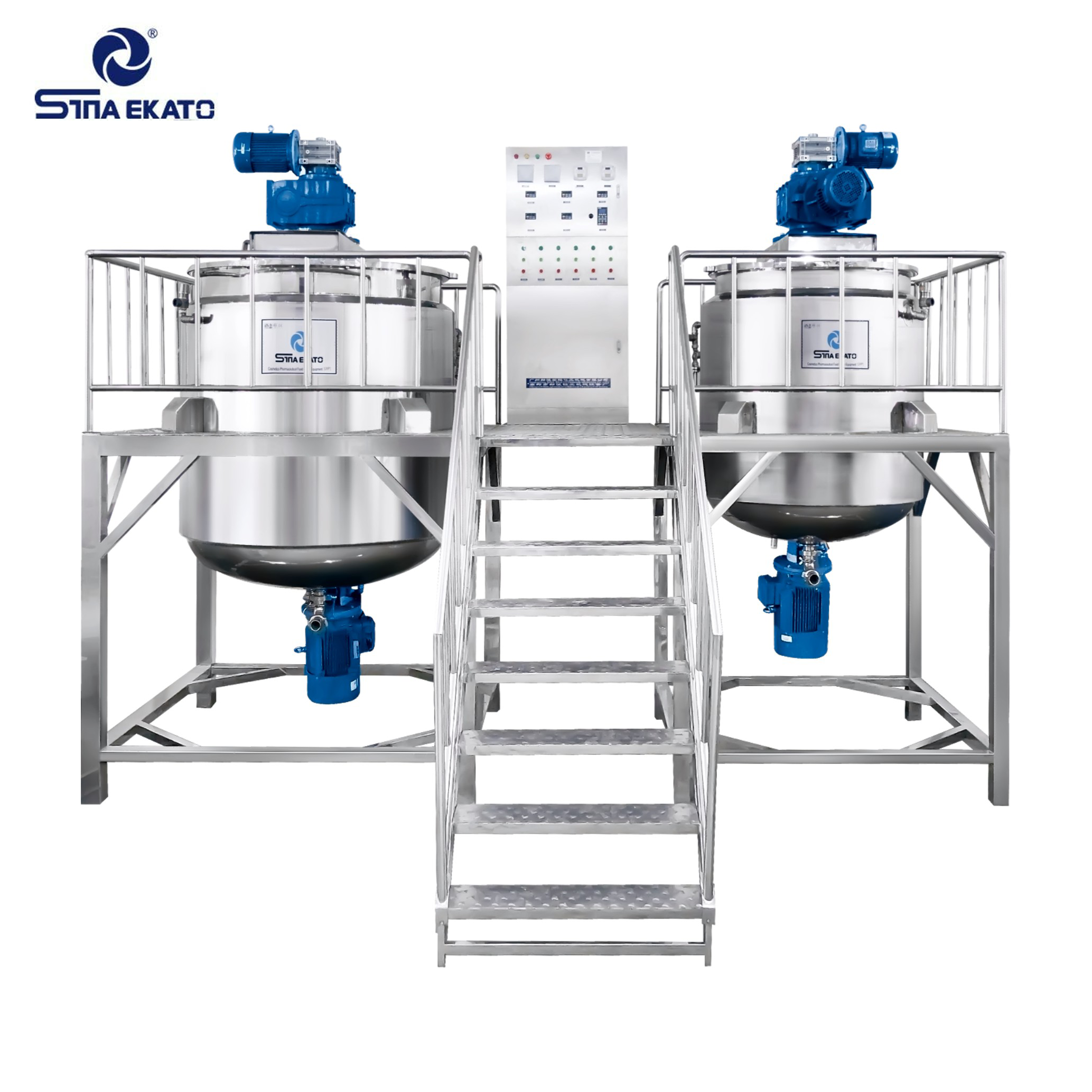
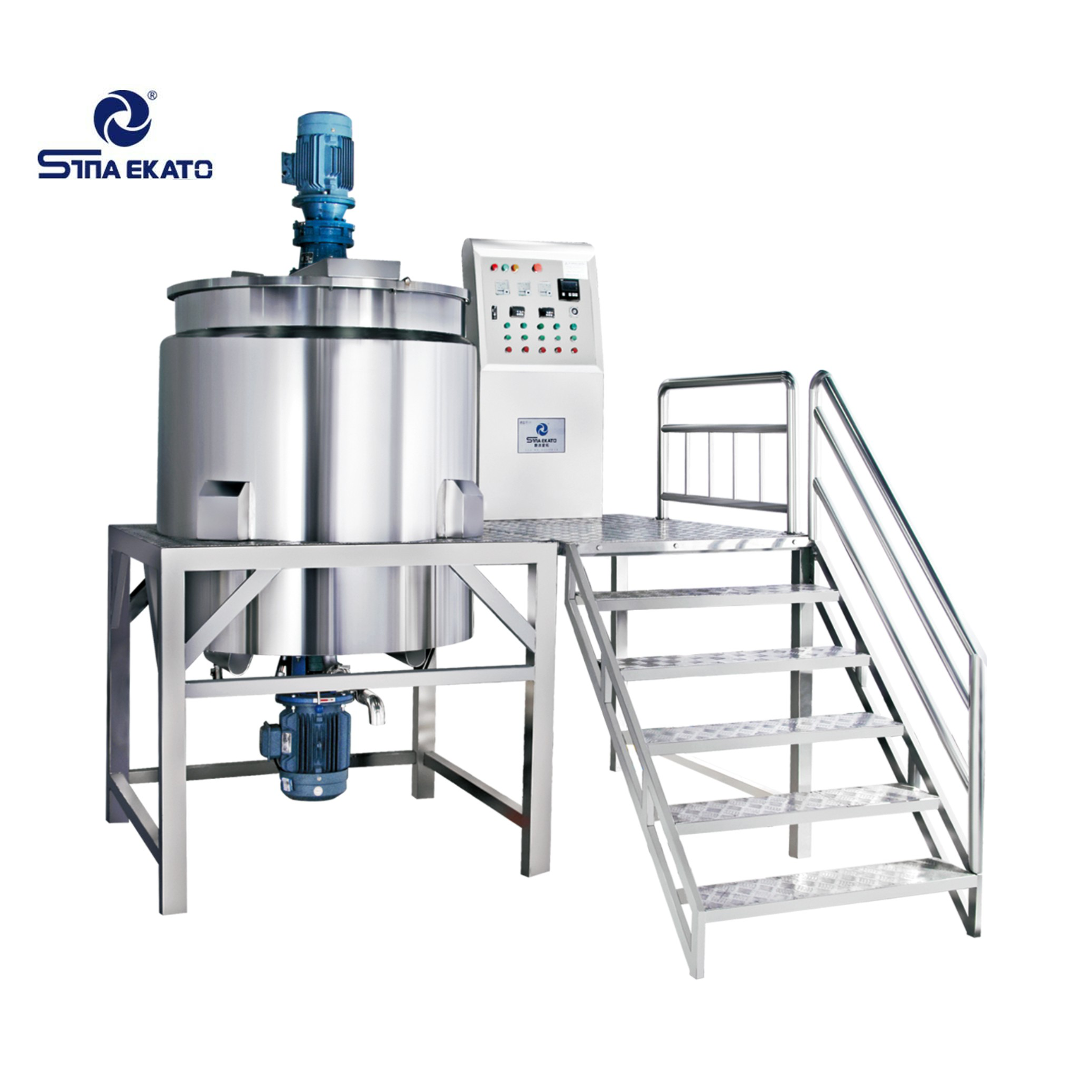
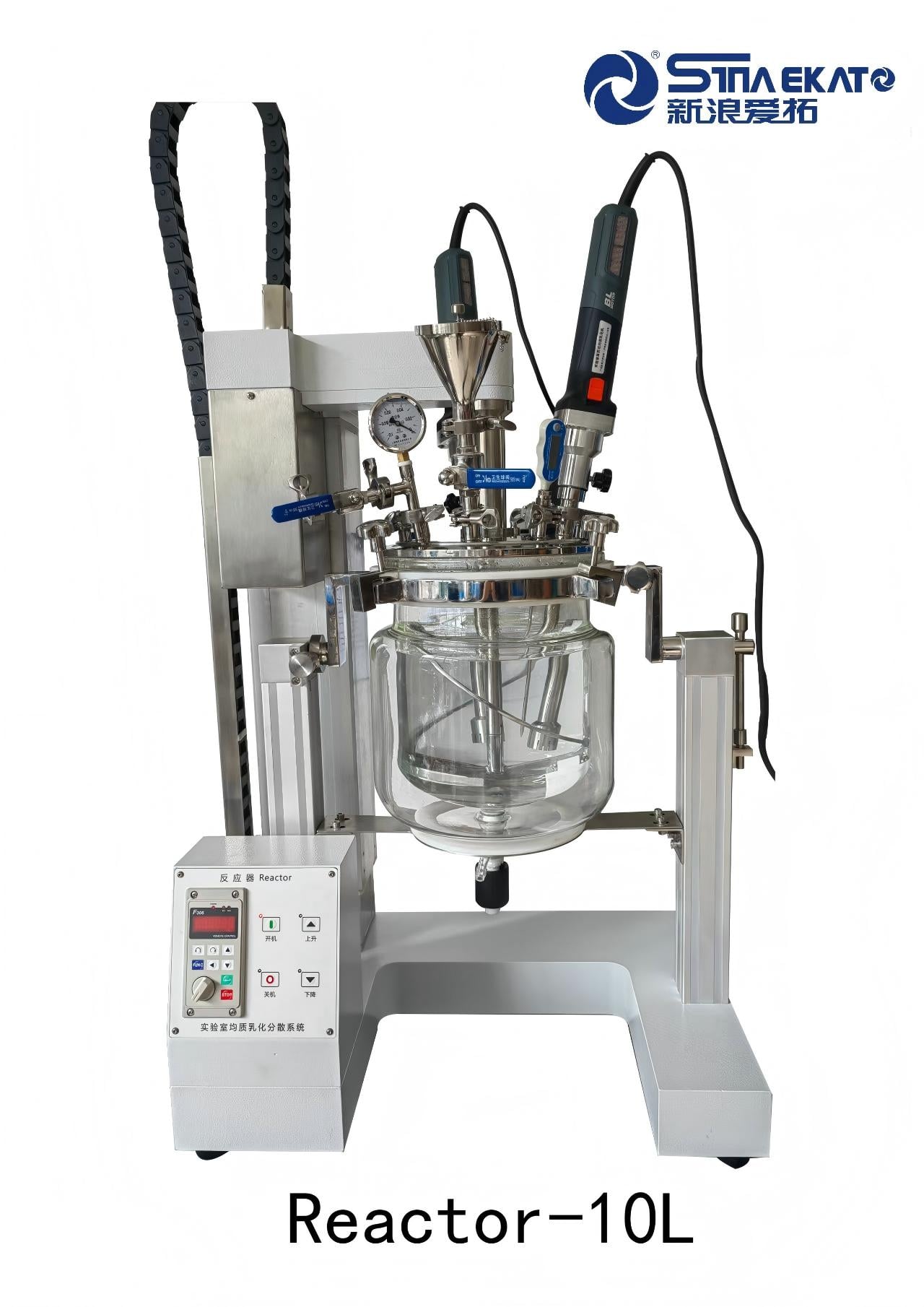
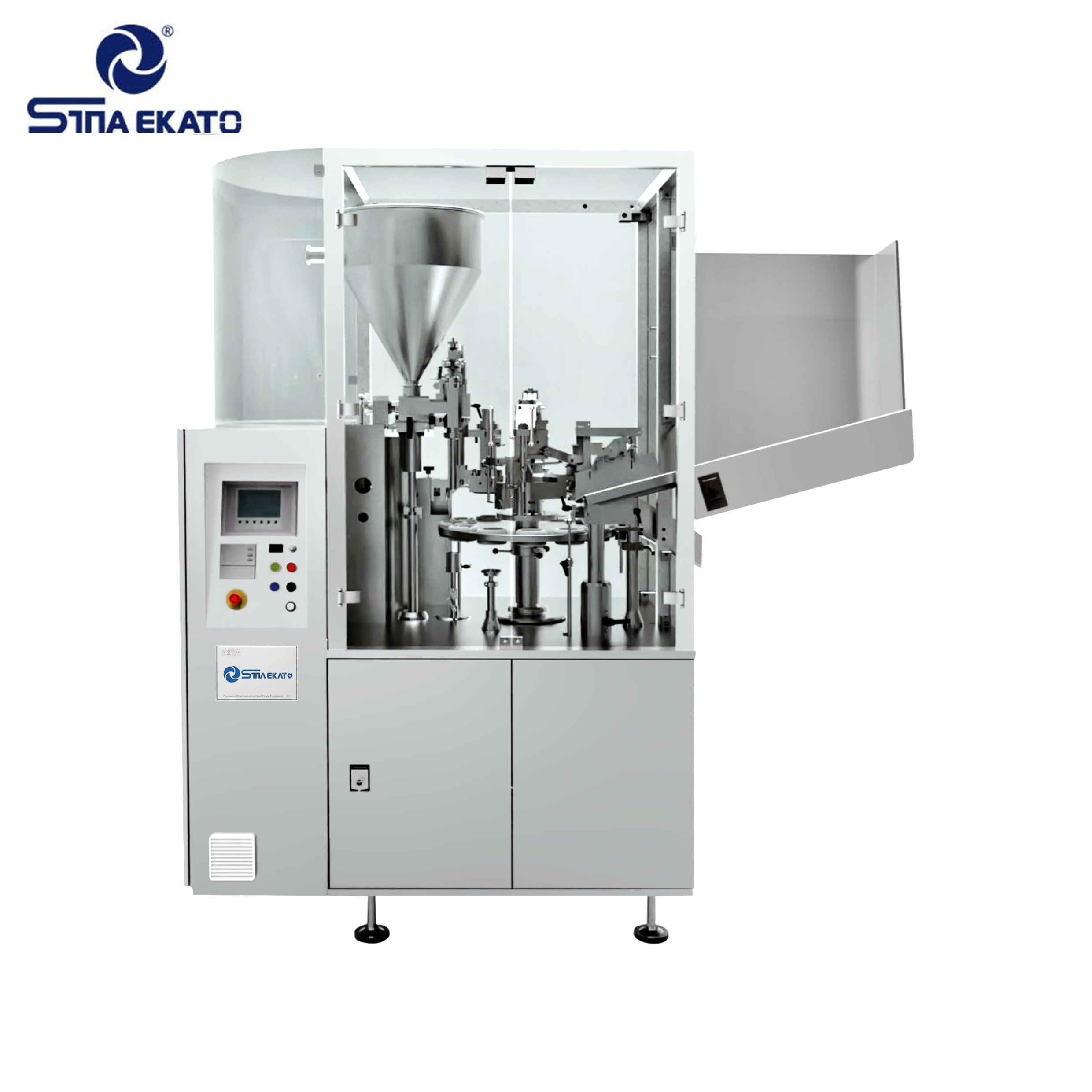
In the ever-evolving global manufacturing industry, particularly within the high-stakes cosmetics and pharmaceutical sectors, there has been an unprecedented surge in demand for high-performance emulsifiers that can consistently deliver superior product quality. As consumers grow increasingly discerning about product safety, texture, and stability, manufacturers are under immense pressure to adopt advanced production equipment that meets rigorous industry standards and regulatory requirements. One of the most notable latest innovations in this field is the new 500-liter vacuum homogenizer, a state-of-the-art machine specifically engineered to meet the stringent production demands of creams, pastes, lotions, masks, and ointments. This advanced mixer integrates cutting-edge emulsification technology sourced from leading European markets, especially Germany and Italy—regions renowned for their precision engineering and industrial excellence—ensuring it operates at the highest levels of efficiency, reliability, and quality. For manufacturers seeking to elevate their production capabilities and gain a competitive edge, this 500L vacuum homogenizer emerges as a game-changing solution.
The new 500L Vacuum Emulsifier Mixer is a rugged, durable, and highly versatile piece of equipment that plays an indispensable role in the production workflows of a wide range of cosmetics and pharmaceutical products. Every component of the machine is carefully designed and manufactured to support the creation of stable emulsions, a critical requirement for products such as facial creams, body lotions, and medicinal ointments that rely on the perfect blending of oil and water-based ingredients. Unlike conventional mixing equipment that often struggles with emulsion stability, this vacuum homogenizer leverages advanced engineering to ensure consistent results batch after batch. Furthermore, the mixer’s integrated vacuum function not only enhances the efficiency of the emulsification process by promoting faster ingredient integration but also minimizes the ingress of air into the mixture. Air contamination is a major concern in cosmetic and pharmaceutical production, as it can lead to the formation of unsightly air bubbles, cause oxidation of sensitive ingredients, and ultimately compromise the quality, texture, and shelf life of the final product—issues that this machine effectively mitigates.
At the core of the machine’s performance is its advanced homogenization technology, which is specifically calibrated to ensure uniform particle size distribution throughout the mixture. This precise particle refinement directly translates to improved product texture, making creams smoother, lotions more spreadable, and ointments more consistent in application. Moreover, the seamless integration of vacuum technology works in tandem with the homogenization system to eliminate air bubbles during the mixing process, resulting in a denser, more stable emulsion that resists separation over time. This combination of features is particularly important in the production of high-value products such as facial masks and medicinal ointments, where consistency in texture, active ingredient distribution, and long-term stability are not just desirable but crucial for meeting consumer expectations and regulatory compliance. For pharmaceutical manufacturers, in particular, this level of consistency can be the difference between a product that meets therapeutic efficacy requirements and one that falls short.
The role and use of emulsifiers in modern manufacturing extend far beyond simple mixing, and the new 500L Vacuum Homogenizer is engineered to cover a comprehensive range of key processes required to produce high-quality cosmetics and pharmaceuticals. Its multi-functional design eliminates the need for multiple pieces of equipment, streamlining production workflows and reducing operational costs. Here are some of its key features, each designed to address specific challenges in the production process:
1. Homogenization
The blender employs high shear homogenization technology, which utilizes a high-speed rotor-stator assembly to generate intense mechanical shear forces that break down even the smallest particles in the mixture. This process effectively disperses oil and water phases, forming a fine, uniform emulsion with consistent particle sizes. The precision of this technology is essential for obtaining the desired texture and consistency of creams and lotions, ensuring that products feel luxurious on the skin and perform as intended. Whether processing thick creams or lightweight lotions, the homogenization system adapts to different formulation viscosities to deliver optimal results.
2. Vacuum Operation
The mixer’s advanced vacuum system is capable of creating a low-pressure environment within the mixing tank, effectively removing air and other gases from the mixture. This not only prevents the formation of air bubbles but also inhibits oxidation of sensitive ingredients such as vitamins, natural extracts, and medicinal compounds—all of which are commonly used in cosmetics and pharmaceuticals. By minimizing oxidation, the vacuum system ensures that the final product maintains its efficacy, color, and quality for a longer period, extending its shelf life and reducing product waste. This feature is especially beneficial for sensitive formulas that are easily affected by air exposure, such as anti-aging creams and vitamin-enriched lotions.
3. Temperature Control
Recognizing that different formulations require specific temperature conditions to achieve optimal emulsification, the blender is equipped with a precise temperature control function. This system allows manufacturers to accurately heat or cool the mixture as needed during the emulsification process, with temperature adjustments ranging from ambient to 120°C. The temperature control system is equipped with high-precision sensors that monitor the mixture’s temperature in real time, ensuring that it remains within the desired range throughout the process. This is essential for certain formulations, such as those containing waxes that need to be melted for emulsification or heat-sensitive ingredients that require low-temperature processing to retain their efficacy. For example, in the production of facial masks containing natural plant extracts, precise temperature control prevents the degradation of active compounds, preserving their skin-nourishing properties.
4. Material Selection
In line with the strict hygiene and safety requirements of the cosmetics and pharmaceutical industries, all parts of the mixer that come into direct contact with materials are constructed from high-quality 316L stainless steel. This material is chosen for its excellent corrosion resistance, non-toxic properties, and ability to withstand repeated cleaning and sterilization processes without leaching harmful substances into the product. For non-critical food applications, 304 stainless steel is also available as an option, offering a cost-effective yet reliable alternative. All material contact surfaces undergo mirror polishing treatment, achieving a surface roughness of Ra ≤ 0.8 μm. This smooth finish eliminates crevices, dead corners, or threads where bacteria, material residues, or contaminants could accumulate, ensuring compliance with strict hygiene standards. Additionally, the machine’s sealing components (gaskets, seals) are made from food-grade or pharmaceutical-grade materials such as PTFE, silicone, or EPDM. These materials comply with FDA and EU food contact material regulations, are resistant to high temperatures, acids, and alkalis, and do not age or migrate harmful substances into the product—further ensuring product safety.
5. Versatility
The 500-liter capacity of this mixer strikes the perfect balance between small- and large-scale production, making it ideal for both emerging brands and established manufacturers. It can easily handle production runs ranging from small batches for product development or limited-edition launches to large-scale production for mass-market distribution. Furthermore, the machine’s robust design allows it to process a wide range of formulations, from thick pastes and dense creams to lightweight lotions and liquid mask solutions. This versatility makes it a valuable asset for manufacturers looking to diversify their product offerings without investing in multiple specialized machines, enabling them to adapt quickly to changing market trends and consumer demands.
6. User-friendly interface
This blender is equipped with an intuitive, touch-screen control panel that simplifies operation and reduces the learning curve for operators. The interface allows operators to easily adjust key parameters such as homogenization speed, vacuum level, temperature, and mixing time, with real-time displays of all process variables. This not only improves operational efficiency by reducing setup and processing times but also minimizes the possibility of human error, which can lead to costly batch failures. The control panel also includes pre-set programs for common formulations, allowing operators to quickly select and initiate standard production processes, further streamlining operations. For added convenience, the system also records process data, enabling manufacturers to maintain detailed production logs for quality control and regulatory compliance purposes.
7. Sterilization & Cleaning Compatibility
The mixer is specifically designed to support CIP (Clean-in-Place) and SIP (Sterilize-in-Place) systems, which are mandatory requirements for GMP (Good Manufacturing Practices)-compliant pharmaceutical production and highly recommended for premium cosmetic manufacturing. The CIP function allows the equipment to be cleaned automatically using cleaning agents (such as alkaline or acidic solutions) and purified water, without the need for disassembly. This automated cleaning process ensures thorough removal of material residues from all internal surfaces, reducing the risk of cross-contamination between batches and saving valuable time compared to manual cleaning. The SIP function, meanwhile, is critical for sterile pharmaceutical production, as it allows the system to be sterilized using saturated steam at high temperatures (typically 121°C). This process effectively kills all microorganisms, meeting the strict sterility assurance level (SAL) requirements for pharmaceutical products. Additionally, the machine’s scraping agitator, fitted with PTFE blades, fits closely to the tank wall and bottom, eliminating material adhesion and ensuring that there are no cleaning blind spots—further enhancing the effectiveness of CIP and SIP processes.
All in all, the new 500L Vacuum Homogenizer represents a significant advancement in emulsification technology, tailored specifically to the needs of the cosmetics and pharmaceutical industries. It seamlessly combines vacuum operation, high shear homogenization, and precise temperature control in a single, integrated unit, eliminating the inefficiencies of traditional multi-equipment setups. Its robust construction, high-quality material selection, versatile capacity, and user-friendly design make it an essential tool for manufacturers looking to produce consistent, high-quality products while complying with strict regulatory standards. By investing in this innovative equipment, companies can not only ensure the production of high-quality, stable emulsified products that meet the demands of today’s discerning consumers but also improve operational efficiency, reduce costs, and gain a competitive advantage in the global market. For forward-thinking manufacturers, this 500L vacuum homogenizer is more than just a piece of equipment—it is an investment in long-term success.

Welcome to Sina Ekato, a leading machinery manufacturer with 30+ years of experience. We provide turnkey production solutions for cosmetic, pharma, and food globally.
Baqiao industrial park, Gaoyou, Yangzhou city, Jiangsu province, China
Copyright © Sina Ekato Chemical Machinery Co.,Ltd. All Rights Reserved Privacy Policy Blog
 EN
EN